
Services / Sell Your RV Park
Sell your RV park to a buyer who reads the site mix.
RockHaven Capital buys RV parks and campgrounds directly from their owners.
Occupancy and the site mix are the business here. Both get read before anyone talks about the land.
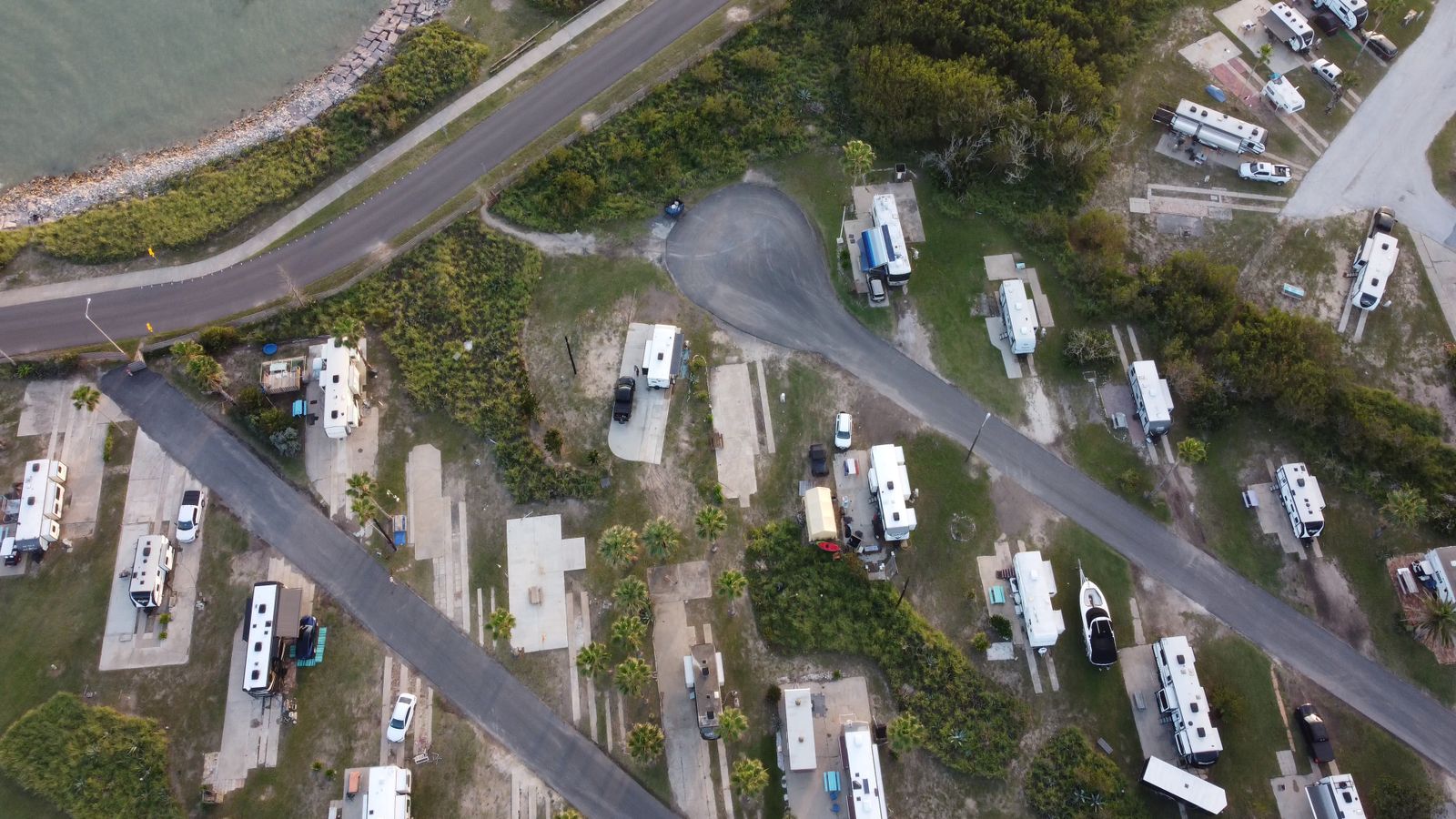
Who We Buy From
The parks we buy
An RV park pairs an operating business with the land under it. We price both parts, and we show each one on its own line.
Our range fits established parks and small multi-park groups. A small park with a handful of sites usually sits below the revenue range we buy in.
Destination and resort parks
Amenities carry the nightly rate at these parks. Full hookups, a pool, and laundry fill sites first and hold their pricing.
Long-term and extended-stay parks
Sites rented by the month behave like a rent roll. Metered utilities passed through to guests keep that income clean.
Seasonal parks
A short season has to carry the year. We read peak months and shoulder months separately, and we note how many months the park stays open.
Mixed parks with cabins and rentals
Cabins and park models add a second income line beside the sites. Spare ground with the right approvals can add a third.
Take our free five-minute assessment to get an estimate of what your business could sell for.
What's My Business Worth? Book a CallWhat We Look At
Five things we check first
A park proves its cash flow through its site records and its bank deposits. These five checks show us whether both agree with each other.
-
Revenue of $1M to $10M a year
Parks in that band are our market. A park in that range has the site count and the rate base to run as a real operation.
-
Cash flow of $300K and up
The tax returns have to prove it. Site collections should tie to deposits and reservation records without unexplained gaps.
-
A site mix that holds its occupancy
Guests who stay by the month or the season are the recurring revenue of this business. We look at occupancy and length of stay across several years.
-
The real estate under the park
Owned land prices differently from a ground lease with years running out. We read the deed or the lease early, and we walk the pads and hookups for deferred work.
-
Management that runs without you daily
An on-site manager should handle check-ins, site upkeep, and collections. A manager house or a manager site makes that handover cleaner.
What a RockHaven deal looks like
- Structure
- Majority buyouts
- Geography
- Anywhere in the continental United States
- Seller fees
- None. Sellers are charged no fees, ever, and the business is never listed.You keep the money a broker would take.
Take our free five-minute assessment to get an estimate of what your business could sell for.
What's My Business Worth? Book a CallThe Principals
A track record built in operating businesses
All three exits came from companies they co-founded from the idea up with a founding team, not from businesses they bought and flipped. One was acquired by a publicly traded company.
Companies founded or co-founded
Exits from companies we co-founded from the ground up
Sales driven by our teams
Capital raised for real estate and operating companies
Why Owners Talk To Us
A direct buyer changes the conversation
Park owners usually hear from national operators and listing brokers first. Here is how a direct sale differs.
-
We are the buyer, not a broker
You talk to the firm that would own your park. Your occupancy and rates are not circulated during a public marketing process.
One conversation with the buyer, not a parade of strangers through your business. -
Your manager keeps the park running
Guests book with a person they trust at the office. In most cases your manager stays in place after a sale.
In most cases, the people who helped you build it keep their jobs. -
Sites priced on real collections
We price what guests actually pay rather than the rack rates on the sign. Actual collections are the number that matters.
-
Land and business shown separately
We show the property value and the operating value as distinct lines. You can see exactly what each part contributes.
Each part priced on its own, in the open.
The listed route, by the numbers
Listing a park tells every operator in the region your occupancy and your rates. The figures below show the usual cost of going to market.
Median time to close for a business that sells through the market
Source: BizBuySell, 2025 Year in Review. Counts businesses that sold.
Of businesses that go to market ever sell at all
Source: Exit Planning Institute estimate. Based on owner readiness survey data, not a census of listings.
The broker success fee alone on a $1M sale, on the standard scale
Source: Double Lehman fee scale, published broker guides, 2026.
Of every 10 businesses that go to market
Share that sells: Exit Planning Institute estimate, as cited above.
How It Works
Four steps from first call to close
Four steps, and you deal with us directly at each one.
A private conversation
We talk through your occupancy, your site mix, and your reasons for selling.
A straight valuation
We read your tax returns and your site records and come back with a value. If the number is not there, we will tell you that too.
A straight number early, with the reason behind it.A structure that fits
Cash is paid at close, and seller financing is used where it fits.
A clean close
The paperwork is short and written in plain language. Once terms are agreed, we aim to close in four to eight weeks.
A real close date in weeks, not a listing that sits while the market decides.Working with an advisor or broker? They hear back from us within two business days, and their fee is protected.
Contact
Start a conversation about your RV park
Start with the free assessment. Or book a call and talk directly with a principal.